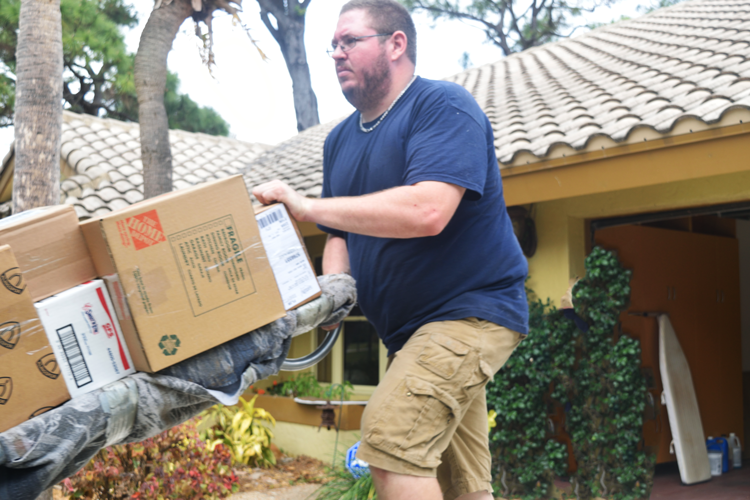
Moving across the country is a major life transition that requires detailed preparation, organization, and the right moving strategy. Whether you are relocating for work, family, retirement, or a fresh start, having a proper cross country moving checklist can make the difference between a chaotic experience and a smooth long-distance move. From packing and scheduling to transportation logistics and budgeting, every step matters when planning a relocation hundreds or even thousands of miles away.
At Weston Florida Movers, we understand how overwhelming interstate relocation can feel. This guide will help you organize every phase of your move while reducing delays, forgotten tasks, and unnecessary stress.
Why a Cross Country Moving Checklist Is Essential
A long-distance relocation involves significantly more coordination than a local move. There are multiple timelines, moving regulations, utility transfers, travel arrangements, and packing requirements involved. A detailed cross country moving checklist helps homeowners and renters stay on track from beginning to end.
Without a checklist, common problems can include:
- Last-minute packing issues
- Missed deadlines for utility transfers
- Damaged or misplaced items
- Unexpected moving expenses
- Delays during interstate transportation
Planning ahead minimizes these risks and creates a more manageable moving experience.
8 Weeks Before the Move: Begin Planning Early
The earlier you start preparing, the easier your move will become. Two months before your relocation is the ideal time to create a structured moving plan.
Create a Moving Budget
Start by estimating all moving-related expenses. Your budget should include:
- Professional moving services
- Packing supplies
- Temporary storage if needed
- Travel costs and lodging
- Insurance coverage
- Utility deposits and setup fees
Having a realistic budget helps prevent unexpected financial stress during the moving process.
Hire a Professional Long-Distance Moving Company
Research experienced interstate movers early, especially during busy moving seasons. Reliable movers often book weeks in advance. Look for companies with strong reviews, transparent pricing, and experience handling long-distance relocations.
Professional movers can help simplify logistics, protect fragile belongings, and coordinate transportation timelines more efficiently than attempting a DIY cross-country move.
Declutter Before Packing
Moving unnecessary items across the country increases both costs and packing time. Go through each room and decide what to keep, donate, sell, or discard.
Focus on reducing:
Unused Furniture
Large furniture pieces that no longer fit your lifestyle or future space.
Old Clothing
Clothes that have not been worn in over a year.
Duplicate Household Items
Extra kitchenware, décor, electronics, and storage containers.
6 Weeks Before the Move: Organize Important Tasks
At this stage, organization becomes critical. Your moving checklist should now focus on logistics and documentation.
Gather Packing Supplies
Purchase quality packing materials to protect your belongings during interstate transportation. Essential supplies include:
- Heavy-duty boxes
- Packing tape
- Bubble wrap
- Stretch wrap
- Furniture blankets
- Permanent markers and labels
Label each box clearly by room and content type to improve unpacking efficiency later.
Update Important Documents
Notify banks, insurance providers, subscription services, and government agencies about your upcoming address change.
Important updates may include:
Driver’s License and Vehicle Registration
Check the requirements in your new state.
Medical Records
Transfer records to new healthcare providers if necessary.
School Records
Coordinate transfers for children moving to a new school district.
4 Weeks Before the Move: Finalize Moving Details
One month before moving day is when preparations become more detailed and time-sensitive.
Schedule Utility Transfers
Arrange shutoff dates for your current utilities and activation dates for your new home. This includes:
Electricity and Water
Internet and Cable Services
Gas and Waste Collection
Coordinating these transitions ahead of time helps avoid service interruptions.
Prepare an Essentials Box
Pack a separate box containing items you will need immediately upon arrival.
This may include:
Medications
Chargers and Electronics
Basic Toiletries
Important Documents
Several Days of Clothing
Having quick access to essentials prevents unnecessary unpacking stress during the first few days in your new home.
2 Weeks Before the Move: Focus on Packing Efficiency
As moving day approaches, your attention should shift heavily toward organized packing.
Pack Non-Essential Rooms First
Begin with items you rarely use, such as:
Seasonal Decorations
Guest Room Items
Books and Decorative Pieces
Save everyday kitchen items, toiletries, and frequently used electronics for last.
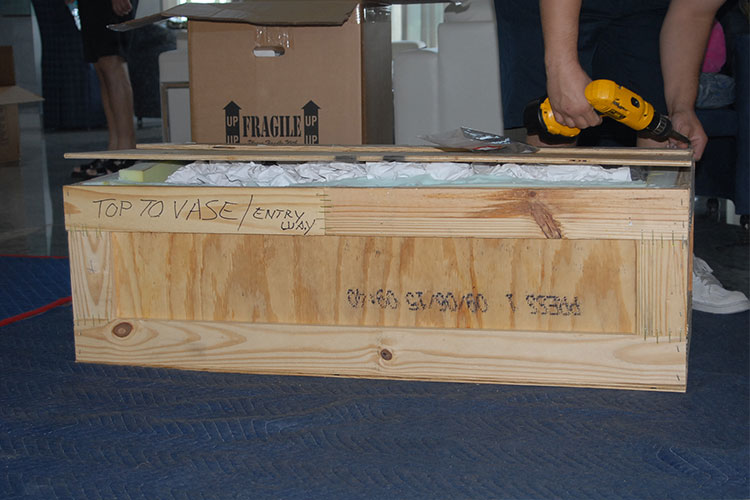
Protect Fragile Items Carefully
Long-distance transportation increases the risk of shifting during transit. Wrap delicate items individually and avoid overfilling boxes.
Glassware, artwork, mirrors, and electronics should receive extra padding and proper labeling.
1 Week Before the Move: Confirm Everything
The final week is all about double-checking details and avoiding last-minute surprises.
Confirm Moving Dates and Arrival Windows
Speak with your moving company to verify:
Pickup Dates
Estimated Delivery Times
Inventory Documentation
Payment Terms
Clear communication helps reduce confusion during the final stages of relocation.
Clean and Prepare the Property
Before leaving, complete basic cleaning tasks and inspect every room carefully.
Do not forget:
Closets and Storage Areas
Cabinets and Drawers
Garage Spaces
Outdoor Storage Areas
This helps ensure nothing important gets left behind.
Moving Day Tips for a Smooth Interstate Relocation
Moving day can feel hectic, but staying organized will help everything go more smoothly.
Keep Important Items With You
Never place critical items on the moving truck. Carry valuables personally, including:
Passports
Financial Documents
Jewelry
Laptops and Personal Electronics
Perform a Final Walkthrough
Before leaving your old property, check every room carefully one final time. Open closets, inspect cabinets, and verify that all belongings have been loaded.
Settling Into Your New Home After a Cross Country Move
Once you arrive, focus on unpacking strategically instead of trying to complete everything immediately.
Start with:
Bedrooms and Bathrooms
These areas help establish comfort and routine first.
Kitchen Essentials
Organizing basic cooking items makes daily life easier during the adjustment period.
Safety Checks
Inspect smoke detectors, locks, and utility systems in your new home.
Gradual unpacking helps reduce stress and allows you to organize more efficiently.
Professional Cross Country Moving Services in Florida
A successful interstate relocation depends heavily on preparation and choosing the right moving professionals. Weston Florida Movers provides dependable long-distance moving services designed to simplify every stage of the relocation process. Our experienced team handles packing, transportation, furniture protection, loading, unloading, and logistics coordination with precision and care.
Whether you are moving from Florida to another state or relocating across the country into Florida, Weston Florida Movers helps make the process more organized, efficient, and stress-free. Our commitment to reliable service and customer satisfaction allows homeowners and businesses to move confidently while protecting their valuable belongings throughout the journey.
Frequently Asked Questions
How far in advance should I schedule a cross country moving company?
It is recommended to book your long-distance movers at least 6 to 8 weeks before your planned moving date, especially during peak moving seasons.
What items should not be packed on a moving truck during an interstate move?
Important documents, medications, valuables, personal electronics, and essential daily items should remain with you instead of being loaded onto the truck.
How long does a cross country move usually take?
The timeline depends on the distance, route, weather conditions, and scheduling, but many interstate moves take anywhere from several days to two weeks.
What is the best way to reduce stress during a long-distance move?
Creating a detailed cross country moving checklist, packing early, decluttering unnecessary items, and hiring experienced movers can significantly reduce moving stress.